 WSDP.
WSDP.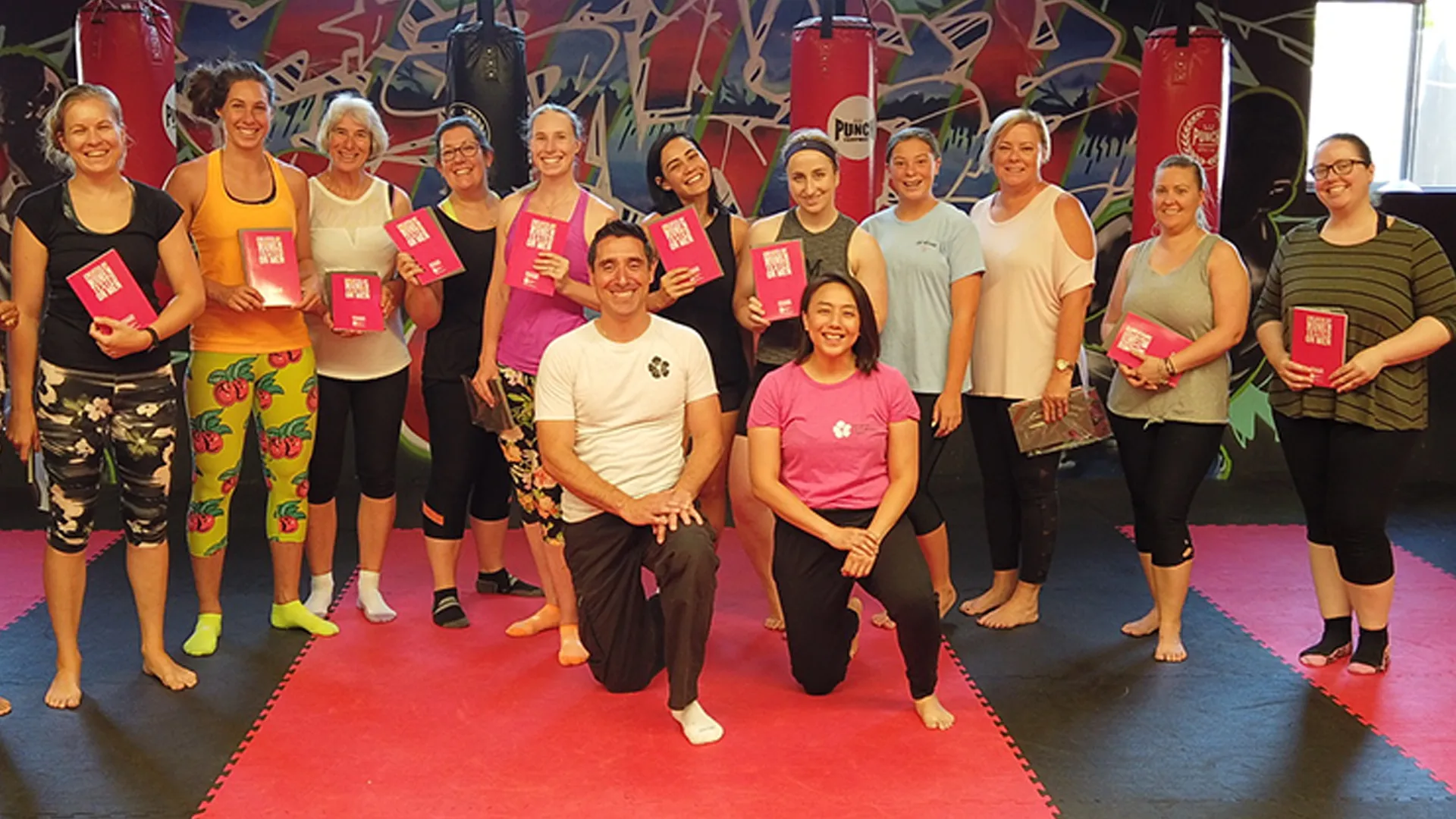
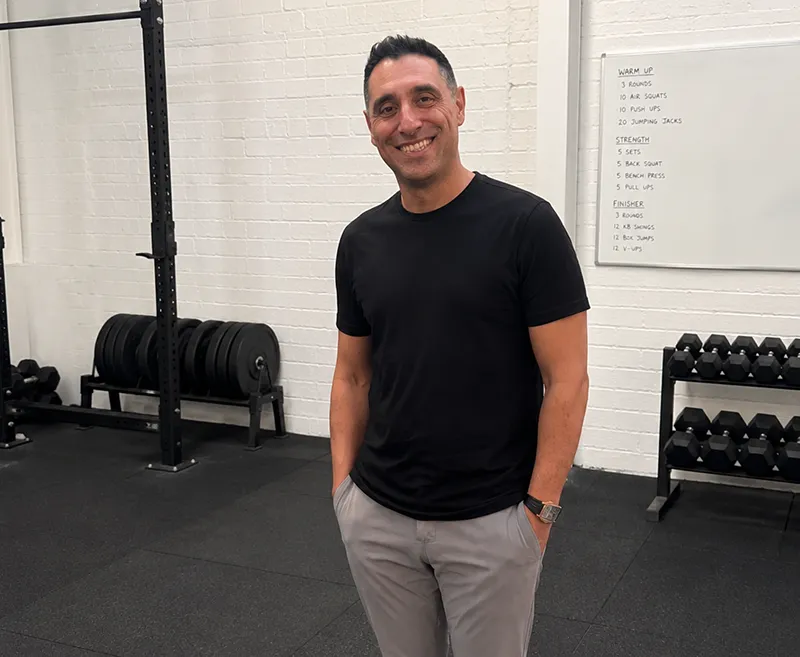
People often ask me why I started Women's Self-Defence Perth. The answer didn't come from martial arts alone — it came from years of observing people.
Alongside teaching martial arts for more than 25 years, I've spent my professional career as a designer and design educator. Good design starts by understanding people, questioning assumptions, testing ideas, and refining them until they genuinely work. Without realising it at the time, I approached women's self-defence in exactly the same way.
As I kept teaching, I noticed something that stayed with me. Many women weren't avoiding self-defence because they lacked interest — they were avoiding martial arts altogether. For many, martial arts represented strength, aggression, competition, brute force. They believed they had to be naturally strong, athletic or experienced before they could defend themselves.
So instead of adapting an existing martial art, we started from the beginning. We listened to women. We asked what situations concerned them, what stopped them from attending self-defence classes, and what skills would genuinely make them feel more capable.
Then we pressure-tested every technique. If it relied on strength, it was redesigned. If it only worked because someone cooperated, it was removed. Everything had to earn its place. That philosophy became the foundation of WSDP.
Over the years I've also learned that most self-defence isn't physical:
We also keep our workshops intentionally small. Confidence isn't built by standing at the back of a crowded room — it's built through coaching, encouragement, repetition and personal attention.
At the end of every Workshop, I don't measure success by how hard someone can strike. I measure it by how they carry themselves. If a woman leaves standing a little taller, speaking a little more confidently, and trusting herself more than when she arrived, then we've done exactly what we set out to do.
That's why WSDP exists.